Understanding Neck Pain: Causes, Treatments, and Prevention Strategies
Neck pain is one of the most common complaints among adults today, often affecting daily activities and overall quality of life. Whether it results from poor posture, injury, or chronic conditions, neck pain can be debilitating and persistent. As our lifestyles increasingly involve long hours of sitting at desks or looking down at screens, the prevalence of neck pain continues to rise. In fact, recent studies suggest that approximately 70% of people will experience neck pain at some point in their lives. This article will delve into the various causes of neck pain, explore effective treatment options, examine preventive measures, and provide valuable insights into when to seek professional help. By understanding the complexities of neck pain, readers can better manage their symptoms and improve their spinal health.
Common Causes of Neck Pain

Neck pain can stem from a multitude of sources, ranging from benign muscle strain to more serious underlying conditions. One of the most prevalent causes is muscle tension, often a result of poor posture during prolonged computer use or mobile phone engagement. In fact, studies have demonstrated that individuals who spend more than three hours daily on their devices are at a significantly higher risk of developing neck pain. Another common culprit is cervical spondylosis, a degenerative condition affecting the cervical spine that typically occurs with aging. This condition affects nearly 85% of individuals over the age of 60. In addition, injuries from accidents, such as whiplash from car collisions, can lead to acute neck pain, while chronic issues may arise from conditions like herniated discs or arthritis. Understanding the cause of neck pain is crucial for effective treatment and management.
Symptoms Associated with Neck Pain

Neck pain is often accompanied by a range of symptoms that can vary in intensity and duration. The most common symptom is a dull ache or stiffness in the neck area, but many individuals also report sharp or shooting pain that can radiate down the arms. Other associated symptoms may include headaches, muscle spasms, and decreased range of motion in the neck. It is essential to recognize these symptoms, as they can indicate the severity of the underlying issue. For instance, if neck pain is accompanied by numbness or tingling in the arms, it may suggest nerve involvement, which warrants immediate medical attention. According to the American Academy of Family Physicians, neck pain should not be ignored, especially when it interferes with daily activities or sleep. By understanding the symptoms associated with neck pain, individuals can make informed decisions about seeking treatment.
Effective Treatment Options for Neck Pain
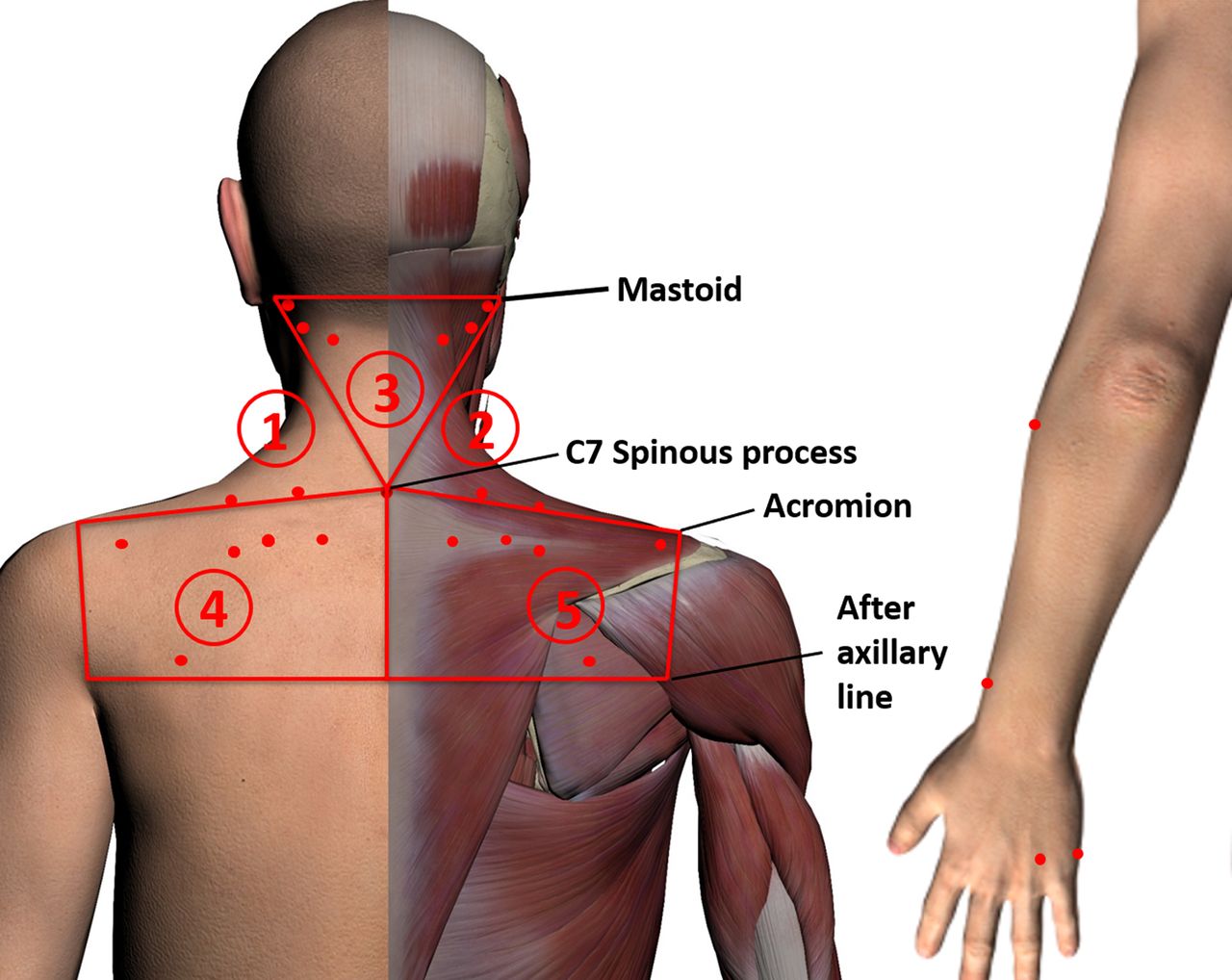
When it comes to treating neck pain, a variety of options are available, ranging from self-care strategies to medical interventions. Over-the-counter pain relievers, such as ibuprofen or acetaminophen, can help alleviate mild to moderate pain. Additionally, applying heat or cold packs can provide temporary relief. For those experiencing chronic neck pain, physical therapy is often recommended. A physical therapist can develop a personalized exercise regimen aimed at strengthening neck muscles and improving flexibility. In cases where conservative measures fail, more invasive procedures, such as corticosteroid injections or even surgery, may be considered. According to a study published in the Journal of Pain Research, individuals who engaged in a structured physical therapy program reported a 50% reduction in neck pain after just six weeks. It’s vital for individuals suffering from neck pain to consult with healthcare professionals to determine the most appropriate treatment strategy tailored to their specific needs.
Preventive Measures to Avoid Neck Pain

Prevention is key when it comes to managing neck pain effectively. Simple lifestyle changes can have a significant impact on maintaining neck health. For instance, practicing good posture while sitting at a desk or using electronic devices can minimize the risk of strain. Ergonomic workstations, which include adjustable chairs and proper monitor height, are essential for reducing neck discomfort. Additionally, incorporating regular exercise into one’s routine, particularly exercises that strengthen the neck and upper back muscles, can provide long-term benefits. A study by the National Institutes of Health found that individuals who engaged in regular physical activity had a 25% lower incidence of neck pain compared to their sedentary counterparts. Mindfulness practices, such as yoga or tai chi, can also help alleviate tension and promote relaxation. By adopting these preventive measures, individuals can significantly reduce their risk of developing neck pain.
When to Seek Professional Help for Neck Pain

While many cases of neck pain can be managed with home care and lifestyle adjustments, there are situations where professional intervention is necessary. If neck pain persists beyond a few days, worsens over time, or is accompanied by other concerning symptoms such as fever, severe headache, or loss of strength in the arms or legs, it is crucial to seek medical attention. These signs may indicate a more serious condition that requires prompt diagnosis and treatment. According to the Mayo Clinic, conditions like meningitis, tumors, or severe disc herniation can lead to severe complications if not addressed early. Additionally, individuals who have experienced trauma, such as falls or accidents, should consult a healthcare provider even if the pain seems manageable. Early intervention can lead to better outcomes and prevent long-term issues, making it essential to recognize when professional help is warranted.
In conclusion, neck pain is a widespread issue that can significantly impact an individual’s quality of life. Understanding the various causes, recognizing the associated symptoms, and exploring effective treatment options are essential steps in managing neck pain effectively. Furthermore, implementing preventive measures can help reduce the risk of developing neck discomfort in the first place. Remember, if your neck pain persists or worsens, seeking professional help is crucial for ensuring appropriate care and treatment. Take the time to assess your posture and lifestyle habits today to safeguard your neck health. By staying informed and proactive, you can pave the way for a healthier, pain-free future.