Delicious and Nutritious: Your Ultimate Guide to Salmon Recipes
Salmon is not just a delicious fish; it’s a powerhouse of nutrients that has captured the hearts and plates of food enthusiasts worldwide. Known for its rich flavor and versatility, this popular fish can be grilled, baked, sautéed, or smoked, making it a staple in cuisines across cultures. In this article, we will explore a variety of mouthwatering salmon recipes that will elevate your culinary experiences while also delivering a wealth of health benefits. With the rise of health-conscious eating, there’s never been a better time to incorporate salmon into your diet. We will discuss the nutritional advantages of salmon, provide cooking techniques that enhance its flavor, and share tips for sourcing sustainable salmon. Whether you are a seasoned chef or a kitchen novice, this comprehensive guide will inspire you to add more salmon dishes to your meal rotation, ensuring you enjoy both the taste and health benefits this fish has to offer.
The Nutritional Benefits of Salmon
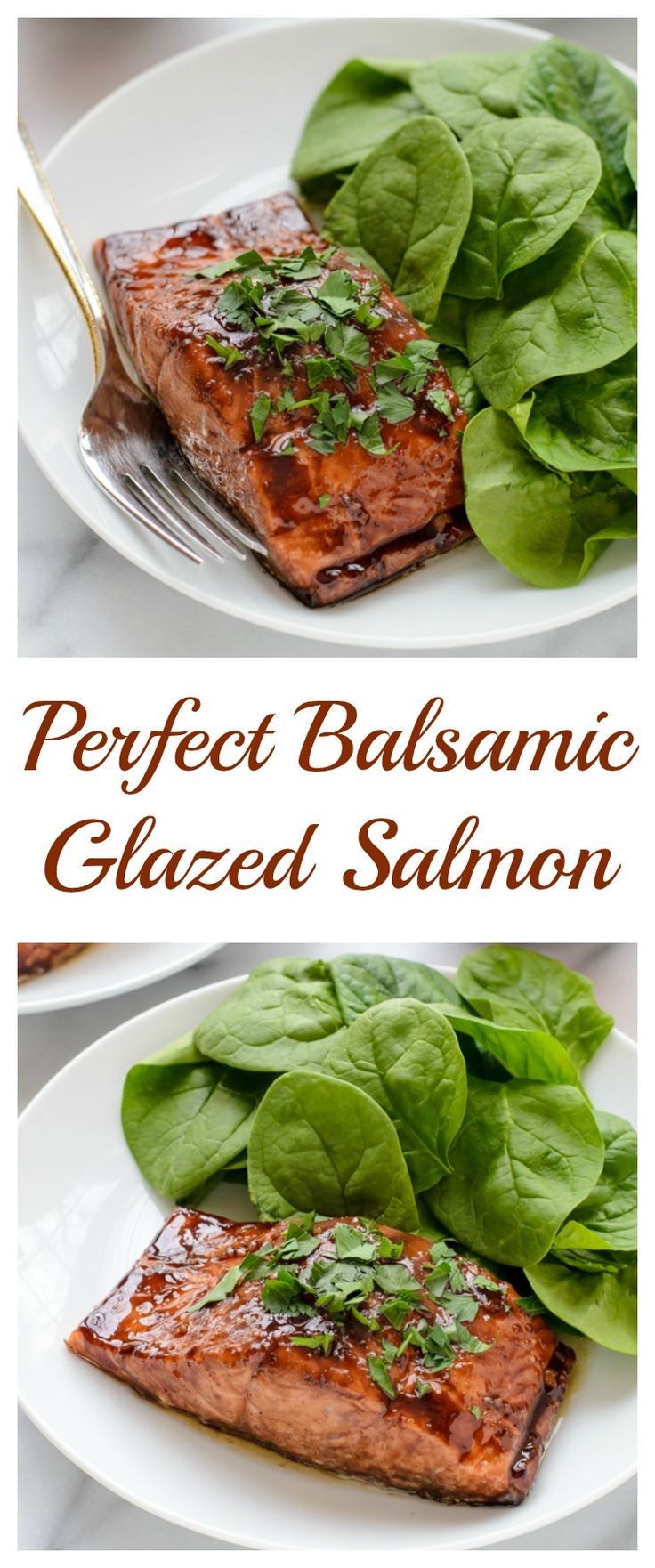
Salmon is often hailed as one of the healthiest seafood choices you can make, and for good reason. Rich in omega-3 fatty acids, high-quality protein, vitamins, and minerals, this fish not only supports heart health but also contributes to brain function and overall wellness. According to the American Heart Association, consuming omega-3 fatty acids can reduce the risk of heart disease and improve heart health. Just a 3.5-ounce serving of salmon contains approximately 2,260 milligrams of omega-3 fatty acids, significantly exceeding the recommended dietary allowance. Furthermore, salmon is an excellent source of B vitamins, particularly B12 and niacin, which play a crucial role in energy metabolism and red blood cell formation. Additionally, it contains essential minerals like selenium, which has antioxidant properties, and potassium, which helps regulate blood pressure. By incorporating salmon into your diet, you not only enjoy a tasty meal but also provide your body with vital nutrients that promote long-term health.
Essential Cooking Techniques for Salmon
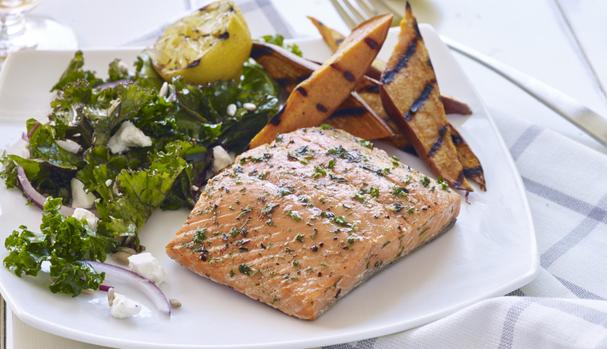
Cooking salmon can be both an art and a science, and understanding various cooking techniques can help you achieve perfectly cooked fish every time. One popular method is grilling, which infuses the salmon with a smoky flavor while preserving its moisture. To grill salmon, marinate it in olive oil, lemon juice, and herbs for at least 30 minutes before placing it on a preheated grill. Aim for about 6-8 minutes per side, depending on the thickness of the fillet. Another common technique is baking, which is simple and hands-off. Preheat your oven to 375°F (190°C), season the fish, and bake for approximately 15-20 minutes. For added flavor, you can top the salmon with a mixture of breadcrumbs and herbs before baking. Sautéing is another excellent method, allowing for a quick cook time and a crispy exterior. Heat oil in a skillet over medium-high heat, season the salmon, and cook for about 4-5 minutes per side. Each of these techniques can produce delicious results, so don’t hesitate to experiment with different methods to find your favorite.
Sourcing Sustainable Salmon

As the demand for salmon continues to rise, so does the importance of sourcing sustainable options. Overfishing and unsustainable farming practices have raised concerns about the impact on fish populations and the environment. When shopping for salmon, look for certifications from organizations like the Marine Stewardship Council (MSC) or the Aquaculture Stewardship Council (ASC), which ensure that the fish are sourced responsibly. Additionally, wild-caught salmon, particularly from Alaska, is often regarded as a more sustainable choice compared to farmed varieties. According to the Food and Agriculture Organization, wild populations tend to have lower levels of pollutants and are often raised in cleaner environments. Another option is to consider local fish markets that prioritize sustainable practices. By choosing sustainable salmon, you not only contribute to the health of our oceans and ecosystems but also ensure that you are consuming fish that is better for your health.
Creative Salmon Recipes to Try at Home

To help you incorporate more salmon into your meals, here are some creative recipes that are sure to impress. Start with a classic baked lemon herb salmon: season fillets with salt, pepper, and fresh herbs, then bake with lemon slices for a bright, flavorful dish. For a twist, try making salmon sushi rolls; simply fill nori sheets with sushi rice, fresh vegetables, and thinly sliced salmon for a fun and interactive meal. Another delightful option is salmon tacos with avocado salsa—season salmon with your favorite spices, grill, and serve in tortillas topped with a zesty avocado and lime salsa. For those seeking a hearty dish, consider creating a salmon chowder with potatoes, corn, and cream for a comforting meal. Each of these recipes not only highlights the versatility of salmon but also allows for creativity in the kitchen, encouraging you to explore different flavor profiles and cooking methods. By trying out these recipes, you can discover how enjoyable and easy it is to cook with salmon.
The Economic Impact of Salmon Fishing
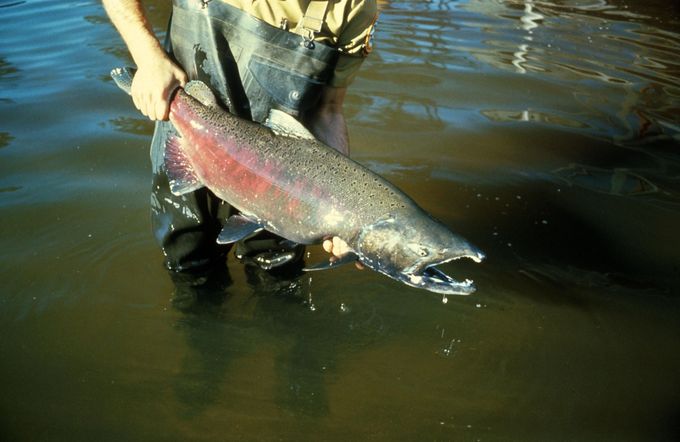
The salmon fishing industry is not only significant for health and culinary reasons but also plays a crucial role in the economy of many coastal communities. In the United States alone, salmon fishing contributes billions of dollars to the economy, providing jobs and livelihoods for thousands of fishermen and those involved in the supply chain. The National Oceanic and Atmospheric Administration (NOAA) reports that commercial fishing for salmon generates around $1.5 billion annually in revenue. This economic impact extends to local markets, restaurants, and tourism, as salmon fishing attracts visitors eager to experience recreational fishing opportunities or enjoy fresh seafood. Additionally, sustainable practices within the industry ensure that this economic benefit can continue for generations. As consumers become more conscious about where their food comes from, supporting sustainable salmon fishing not only contributes to the economy but also promotes responsible environmental stewardship.
In conclusion, salmon is an exceptional choice for anyone looking to enhance their diet with nutrient-rich and delicious meals. From its myriad health benefits to the various cooking techniques and sustainable sourcing options, salmon offers something for everyone. By experimenting with the creative recipes provided, you can easily incorporate this versatile fish into your weekly meal plan. Remember that by choosing sustainable options, you are making a positive impact on both your health and the environment. As you embark on your culinary journey with salmon, don’t hesitate to share your experiences and favorite recipes with friends and family. So why not start today? Head to your local market, pick up some fresh salmon, and prepare to delight your taste buds while nourishing your body.