Understanding Nail Fungus: Causes, Symptoms, Treatments, and Prevention
Nail fungus, also known as onychomycosis, is a prevalent yet often overlooked condition that can significantly affect both the appearance and health of your nails. Imagine finding your once pristine nails becoming discolored, brittle, and even painful. This common fungal infection can affect anyone, regardless of age or hygiene practices, and it often hides in plain sight, silently worsening over time. In this article, we will delve into the world of nail fungus, exploring its causes, symptoms, treatment options, and preventive measures. By gaining a better understanding of this condition, you can take proactive steps to maintain your nail health and well-being. We will cover the different types of nail fungus, the most effective treatments available, and the lifestyle changes you can implement to prevent recurrence. Whether you are currently struggling with this issue or simply wish to be informed, this comprehensive guide will equip you with essential knowledge and actionable insights.
What is Nail Fungus?
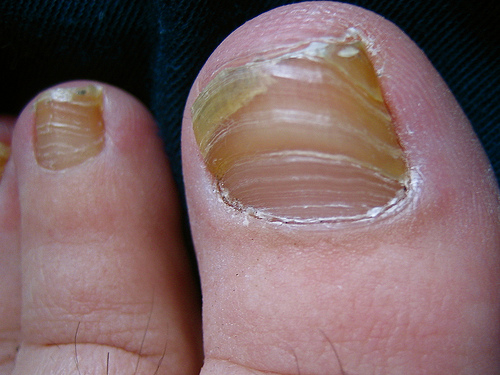
Nail fungus is an infection that can affect one or multiple nails, primarily caused by dermatophytes, yeasts, or molds. Understanding what nail fungus is involves recognizing its biology and how it develops. Fungi thrive in warm, dark, and moist environments, making toenails particularly susceptible, especially for individuals who frequently wear closed-toe shoes. The infection typically begins when the fungus infiltrates the nail bed through small cracks or cuts. Once established, it can lead to significant changes in the nail’s appearance, including discoloration, thickening, and even crumbling of the nail.
According to the American Academy of Dermatology, it is estimated that nail fungus affects approximately 10% of the population, with the prevalence increasing up to 50% in individuals over the age of 70. This statistic underscores the importance of awareness and early intervention. Moreover, nail fungus not only poses cosmetic concerns but can also lead to more severe complications, particularly in those with weakened immune systems or underlying health conditions. Understanding the types of fungi involved and their lifecycle can help individuals recognize the signs of infection early and seek appropriate treatment.
Real-world examples of fungal infections can be seen in athletes, particularly runners and gym enthusiasts, who often develop fungal toenails due to excessive sweating and lack of ventilation in their footwear. This demographic highlights the need for preventive measures, such as proper hygiene and footwear choices, to avoid the onset of nail fungus.
Symptoms of Nail Fungus
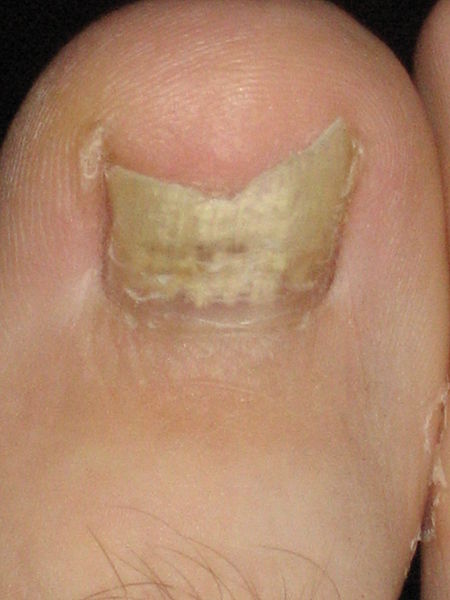
Recognizing the symptoms of nail fungus is crucial for timely intervention and treatment. The initial signs can often be subtle, making it easy to dismiss them as minor nail issues. However, as the infection progresses, symptoms become more pronounced. Common indicators include discoloration of the nail, which may appear white, yellow, or even dark brown. You may also notice a thickening of the nail, which can lead to discomfort and difficulty in trimming. The texture of the nail may change, becoming crumbly or brittle, and in severe cases, the nail may become detached from the nail bed.
In the case of toenail fungus, it is often accompanied by an unpleasant odor, which can be embarrassing and affect personal hygiene. According to a study published in the Journal of the American Academy of Dermatology, patients with nail fungus often report a significant impact on their quality of life, affecting their emotional well-being and social interactions. For example, an individual may feel self-conscious about wearing open-toed shoes or participating in social activities like swimming.
Additionally, nail fungus can exacerbate other health issues, particularly in those with diabetes or compromised immune systems. If left untreated, the infection can spread to other nails or even to the skin, increasing the risk of bacterial infections. Being vigilant about these symptoms can enable individuals to seek appropriate treatment before the infection worsens.
Treatment Options for Nail Fungus
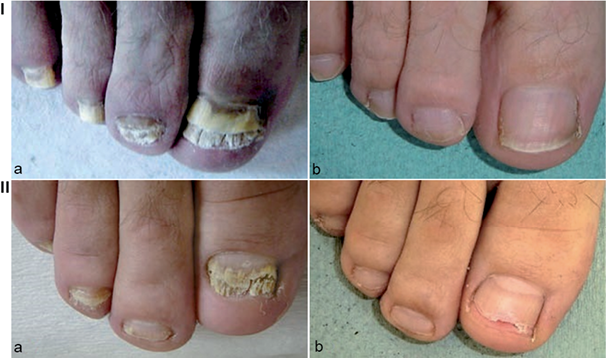
When it comes to treating nail fungus, options range from over-the-counter remedies to prescription medications and even surgical interventions in severe cases. Topical antifungal treatments are often the first line of defense; these include creams, ointments, and nail lacquers that are applied directly onto the affected nail. While these treatments can be effective, they may take several months to show results, as nails grow slowly. According to the National Institutes of Health, about 50% of patients may not achieve complete resolution with topical treatments alone.
Oral antifungal medications, such as terbinafine and itraconazole, are typically prescribed for more extensive infections. These medications work from within the body to eliminate the fungal infection and can lead to quicker and more complete results. However, they are not without side effects and may interact with other medications, requiring a healthcare provider’s supervision. A study published in the British Journal of Dermatology found that about 80% of patients treated with oral antifungals achieved clear nails within several months.
In cases where the fungus has severely damaged the nail, surgical removal may be necessary. This procedure can alleviate pain and prevent further spread of the infection. Following the surgery, patients often require ongoing antifungal treatment to prevent recurrence. Regardless of the treatment chosen, it is crucial for individuals to follow their healthcare provider’s guidance and to maintain diligent nail hygiene throughout the treatment process.
Preventing Nail Fungus: Best Practices
Prevention is often the best approach to combat nail fungus, especially for individuals at higher risk. Practicing good hygiene is essential; this involves keeping your nails clean and dry, as fungi thrive in moist environments. After washing your hands or feet, ensure they are completely dry, paying particular attention to the spaces between your toes. Additionally, consider using antifungal foot powder if you are prone to excessive sweating.
Footwear choices also play a significant role in prevention. Opt for breathable shoes and moisture-wicking socks, particularly during physical activities. Avoid wearing the same pair of shoes every day to allow them to dry out completely. Regularly changing and washing socks can also help minimize the risk of infection.
Moreover, when visiting public spaces like pools, gyms, or spas, protective footwear such as flip-flops can provide a barrier against fungal exposure. Nail salons should also be chosen wisely; ensure they follow strict hygiene protocols. Request that tools are sterilized and avoid any services that involve cutting cuticles, as this can create openings for fungus.
Education and awareness are powerful tools in prevention. A report from the Centers for Disease Control and Prevention states that individuals who understand the risks and symptoms of nail fungus can act quickly to address any issues, thereby reducing the chances of infection. By incorporating these best practices into your daily routine, you can significantly decrease your risk of developing nail fungus.
When to Seek Medical Help
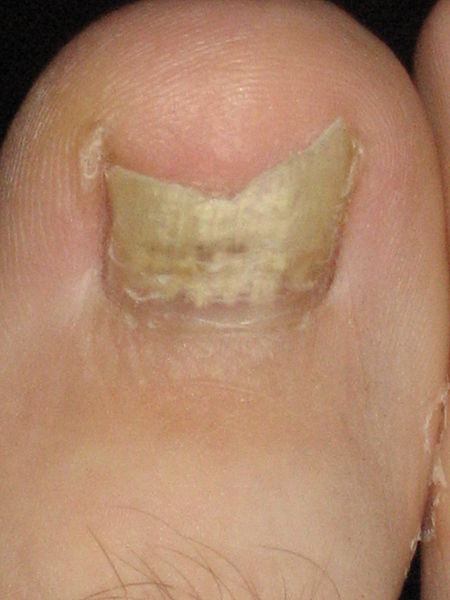
While nail fungus can often be managed with at-home remedies and lifestyle changes, there are specific instances when medical intervention is essential. If you notice persistent symptoms such as discoloration, thickening, or pain that does not improve with over-the-counter treatments, it is crucial to consult a healthcare professional. Early diagnosis can prevent the infection from worsening, as untreated fungal infections can lead to complications like bacterial infections or nail loss.
Individuals with underlying health conditions, such as diabetes or compromised immune systems, should be particularly vigilant. In these cases, nail fungus can lead to more serious health issues, making it imperative to consult a doctor at the first sign of trouble. Additionally, those experiencing recurrent infections despite following preventative measures should seek professional advice to explore underlying causes and more effective treatment options.
Healthcare providers may conduct a thorough examination and may take a sample of the affected nail for laboratory analysis to determine the specific type of fungus involved. This targeted approach ensures that the chosen treatment is effective against the identified pathogen. A report from the American Family Physician recommends regular check-ups for individuals at high risk to monitor nail health and preemptively address any issues. Seeking help from a medical professional not only aids in effective treatment but also provides peace of mind in managing this common yet potentially troublesome condition.
In summary, nail fungus is a common condition that can affect anyone but is particularly prevalent among older adults and individuals with certain risk factors. Understanding the causes, symptoms, and treatment options is vital for effectively managing and preventing this infection. Key preventive measures include practicing good hygiene, making informed footwear choices, and being aware of the signs and symptoms early on. If you notice any persistent issues with your nails, don’t hesitate to consult a healthcare professional for advice and treatment options. Remember, taking proactive steps can help you maintain healthy nails and improve your overall quality of life. Don’t let nail fungus get in the way of your confidence and well-being—start implementing these strategies today!