Unlocking a Brighter Smile: A Comprehensive Guide to Teeth Whitening
In a world where first impressions matter immensely, a bright, white smile stands out as a symbol of confidence and health. Teeth whitening has become one of the most sought-after cosmetic treatments, with countless products and procedures promising dazzling results. But what exactly is teeth whitening, and how can you safely achieve that radiant smile? In this article, we’ll explore the different methods of teeth whitening, the science behind how they work, and the pros and cons of each option. We will also provide real-world examples and statistical data to help you make an informed decision. Whether you’re considering an at-home treatment or a professional procedure, this comprehensive guide will equip you with the knowledge you need to choose the best teeth whitening solution for your needs.
Understanding Teeth Whitening: The Science Behind a Brighter Smile
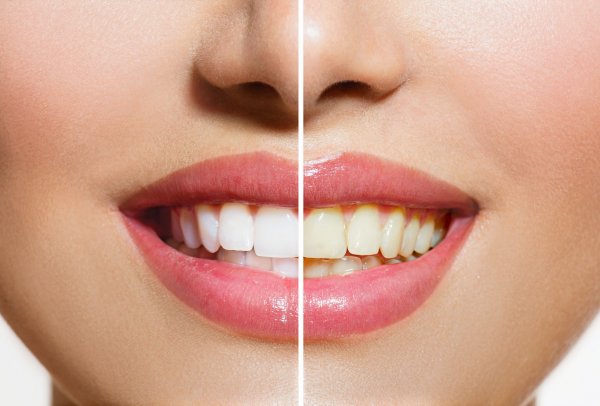
Teeth whitening is a cosmetic dental procedure that aims to lighten the color of your teeth, making them appear brighter and more attractive. The discoloration of teeth can occur due to a variety of factors, including dietary choices, lifestyle habits, and aging. Foods and beverages such as coffee, tea, red wine, and certain fruits can stain teeth over time. Additionally, smoking and poor oral hygiene can contribute to yellowing. The science of teeth whitening primarily revolves around bleaching agents, such as hydrogen peroxide or carbamide peroxide, which can penetrate the enamel and break down stains. According to a survey conducted by the American Academy of Cosmetic Dentistry, 99.7% of adults believe a smile is an important social asset, and 74% feel that an unattractive smile can hinder career success. This underscores the societal value placed on dental aesthetics and the growing demand for effective teeth whitening solutions.
DIY Teeth Whitening: Home Remedies and Over-the-Counter Products
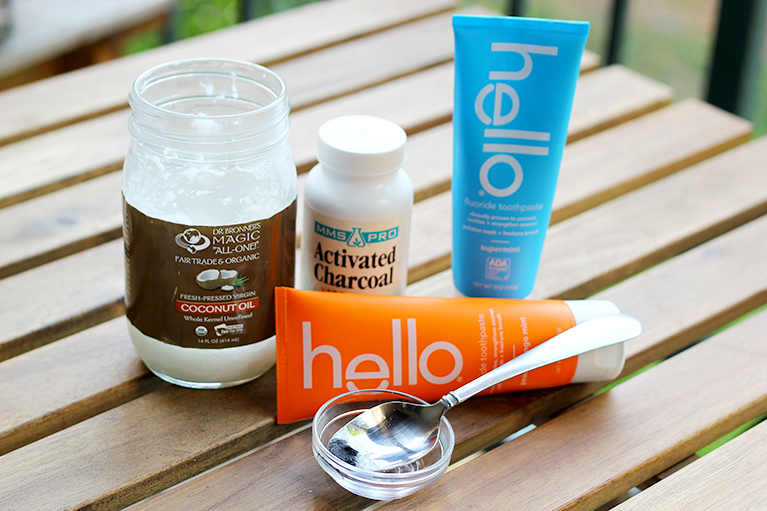
For many, the allure of DIY teeth whitening solutions is appealing due to their cost-effectiveness and convenience. Home remedies such as baking soda, activated charcoal, and hydrogen peroxide are widely discussed, with proponents claiming they can effectively lighten tooth color. However, scientific backing for these methods can be inconsistent. A study published in the Journal of the American Dental Association found that while some home remedies may produce slight improvements, they often lack the potency of professional treatments. Over-the-counter whitening products, like whitening strips and toothpaste, have gained popularity as well. According to a report by Grand View Research, the global teeth whitening market was valued at approximately $3.4 billion in 2020 and is expected to grow significantly. While these products can yield results, users must be cautious, as excessive use or improper application can lead to tooth sensitivity and enamel damage.
Professional Teeth Whitening: What to Expect at the Dentist
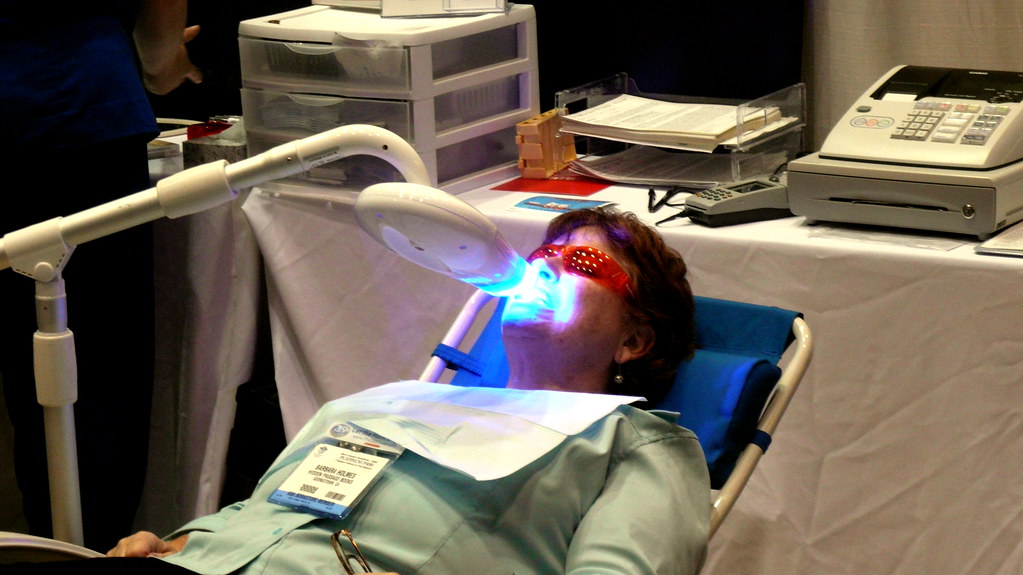
For those seeking immediate and noticeable results, professional teeth whitening is a highly effective option. Dentists often use stronger bleaching agents than those available over-the-counter, typically delivering results that can lighten teeth by several shades in just one session. There are primarily two methods of professional whitening: in-office whitening and take-home kits. In-office whitening usually involves the application of a concentrated bleaching gel, activated by a special light, which can produce dramatic results within an hour. Conversely, take-home kits provided by dentists offer custom-fitted trays and professional-grade whitening solutions for use over a specified period. According to the American Dental Association, professional whitening treatments can brighten teeth by an average of 5 to 10 shades. However, this option typically comes at a higher price point, ranging from $300 to $1,000, depending on the treatment and location. Despite the costs, many individuals consider it a worthwhile investment for a long-lasting, stunning smile.
Risks and Considerations: Are There Side Effects to Teeth Whitening?
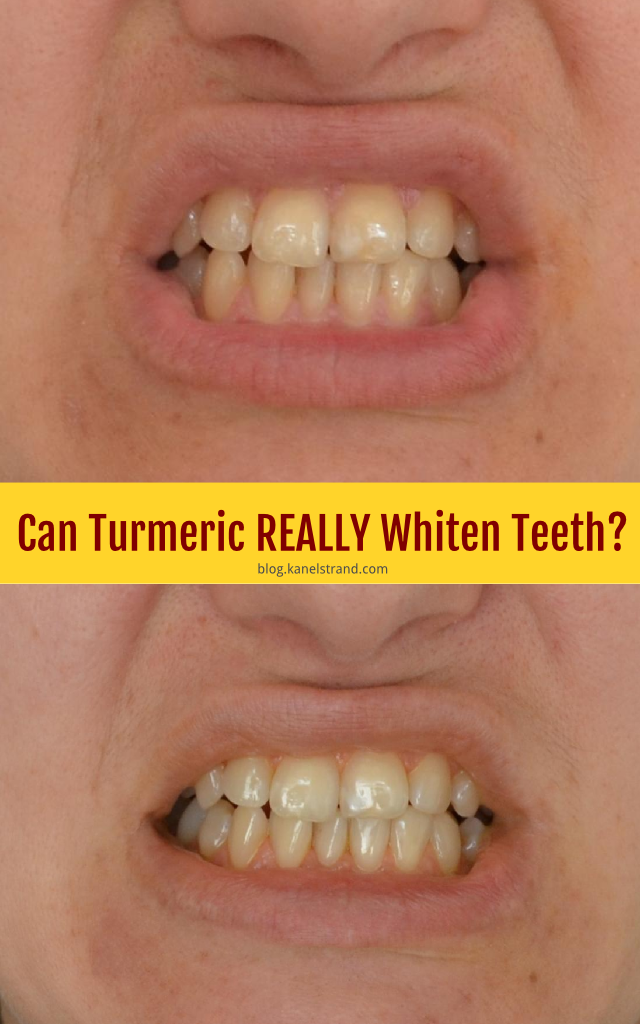
While teeth whitening is generally safe, it’s essential to be aware of potential risks and side effects. Sensitivity is one of the most commonly reported issues, with individuals experiencing discomfort when consuming hot or cold foods and drinks after treatment. A survey conducted by the American Academy of Cosmetic Dentistry revealed that nearly 50% of respondents experienced some level of tooth sensitivity after whitening. Additionally, overuse of whitening products—especially those with high concentrations of bleaching agents—can lead to enamel erosion, increasing the risk of cavities and other dental issues. It’s also important to recognize that not all discoloration is treatable with whitening agents; intrinsic stains caused by trauma or certain medications may require alternative solutions, such as veneers. Consulting with a dentist before beginning any whitening treatment is crucial to ensure that you’re choosing the best method for your specific dental needs.
Maintaining Your Whiter Smile: Tips and Best Practices
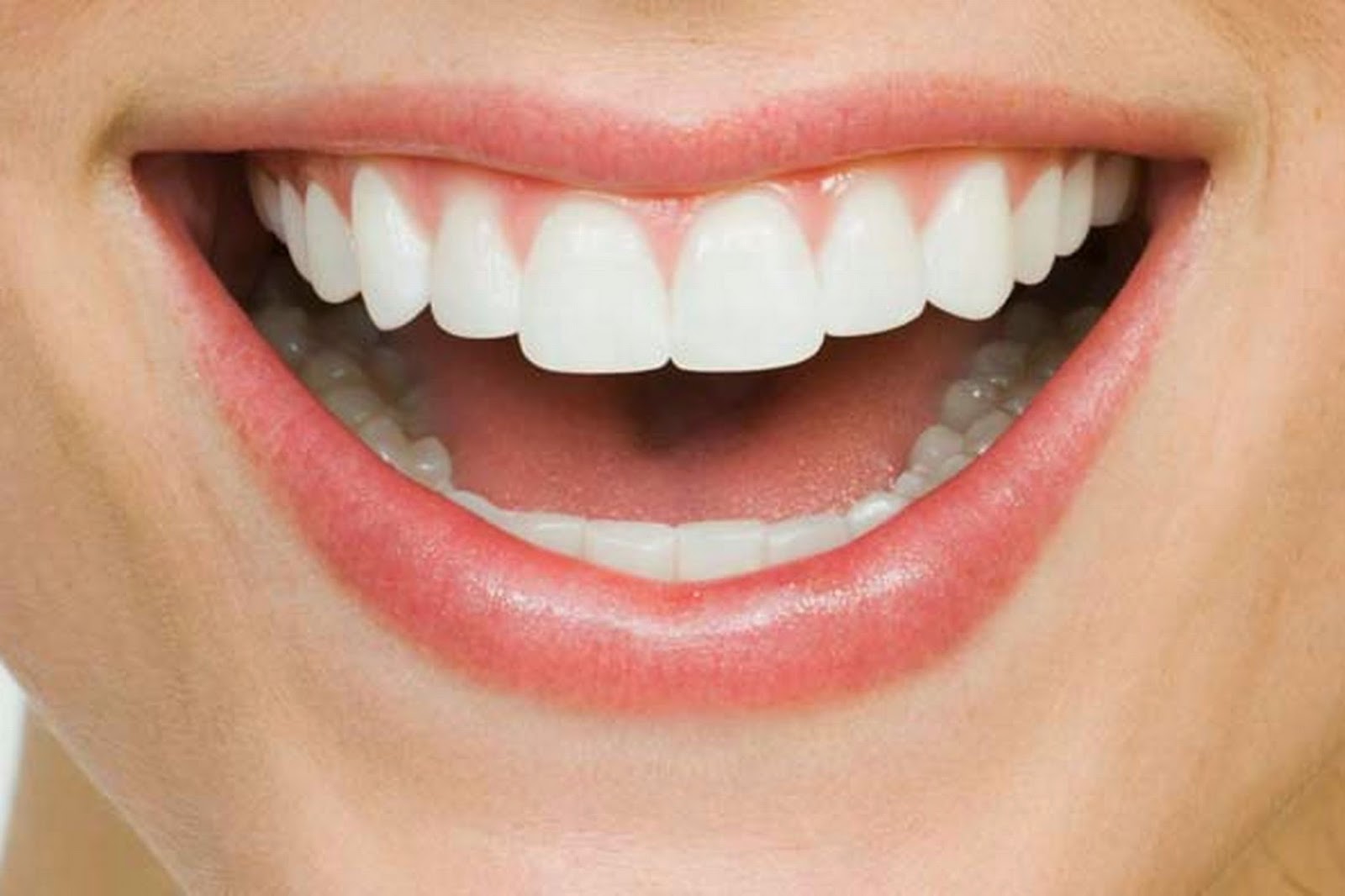
Achieving a brighter smile is just the beginning; maintaining that newfound whiteness is essential for long-term satisfaction. After undergoing teeth whitening, it’s advisable to avoid staining foods and beverages for a certain period. Dentists often recommend waiting at least 24 to 48 hours before consuming coffee, tea, red wine, or dark-colored fruits. Implementing a robust oral hygiene routine—brushing twice daily, flossing regularly, and using an antibacterial mouthwash—can significantly help maintain your results. Additionally, routine dental check-ups and cleanings are crucial for keeping stains at bay. According to a study published in the Journal of Clinical Dentistry, patients who maintained regular dental visits reported better long-term satisfaction with their whitening results. Investing in a good quality whitening toothpaste or touch-up gel can also aid in preserving your smile’s brightness. Overall, a proactive approach to dental care will ensure your teeth remain white and healthy for years to come.
In summary, teeth whitening is a popular cosmetic procedure that can significantly enhance an individual’s smile and confidence. From understanding the underlying science to exploring various methods of teeth whitening—both DIY and professional—it’s clear that there are numerous options available to achieve a brighter smile. While each method has its own set of advantages and considerations, the key to a successful whitening experience lies in informed choices and proper care. As you embark on your journey to a whiter smile, remember to prioritize your dental health and consult with professionals when in doubt. Don’t wait any longer; take the first step towards achieving the radiant smile you’ve always desired. Whether you choose to explore home remedies or seek professional treatment, a brighter smile is within your reach!