Unveiling the Power of Medicinal Plants: Nature’s Pharmacy
In a world increasingly leaning towards natural remedies, medicinal plants have emerged as a vital source of healing. From ancient civilizations who relied on herbs for their health to modern-day practitioners advocating for holistic approaches, these plants have stood the test of time. With increasing scientific research validating their benefits, the relevance of medicinal plants is clearer than ever. This article will delve into the fascinating world of medicinal plants, exploring their historical significance, health benefits, specific examples, and how they can be integrated into modern health practices. By the end of this journey, you will have a well-rounded understanding of the importance of these natural treasures and how they can enhance your well-being.
Historical Significance of Medicinal Plants
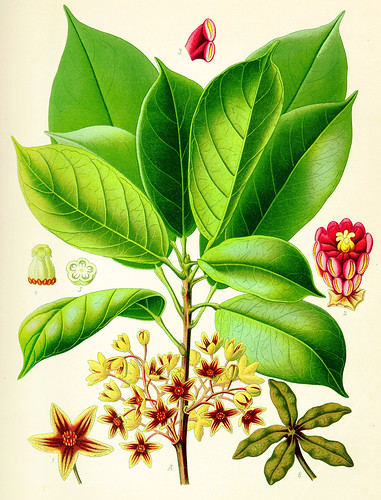
Throughout history, medicinal plants have been integral to human culture and health. Ancient texts from various civilizations, including the Egyptians, Greeks, and Chinese, document the use of herbs for healing purposes. For example, the Ebers Papyrus, dating back to 1550 BC, contains over 700 remedies that utilized plants like garlic and myrrh. Similarly, the Greek physician Hippocrates, known as the ‘Father of Medicine,’ emphasized the significance of plant-based treatments. The practice of herbal medicine laid the foundation for many contemporary medical practices, showcasing the enduring legacy of these natural healers. Today, approximately 25% of modern medicines are derived from active ingredients found in plants, highlighting their critical role in pharmaceutical development. This historical background not only showcases the long-standing relationship between humans and medicinal plants but also underscores their potential in addressing current health challenges.
Health Benefits of Medicinal Plants
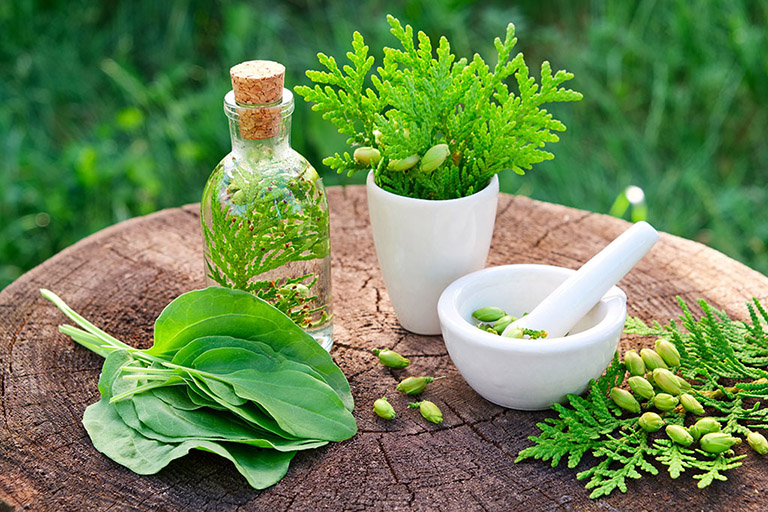
Medicinal plants offer numerous health benefits that range from treating common ailments to managing chronic diseases. For instance, ginger is widely recognized for its anti-inflammatory properties, making it effective for alleviating symptoms of arthritis and digestive issues. Research published in the Journal of Medicinal Food found that ginger extract significantly reduced pain in osteoarthritis patients. Additionally, turmeric, containing the active compound curcumin, has gained attention for its antioxidant and anti-cancer properties. A study in the journal Cancer Letters highlighted curcumin’s ability to inhibit cancer cell growth. Furthermore, the adaptogen ashwagandha is celebrated for its effects on stress reduction and improved cognitive function. A clinical trial published in the Indian Journal of Psychological Medicine demonstrated a significant reduction in stress levels among participants who consumed ashwagandha extract. These examples illustrate how medicinal plants are not only beneficial for individual health but can also contribute to broader public health initiatives.
Popular Medicinal Plants and Their Uses
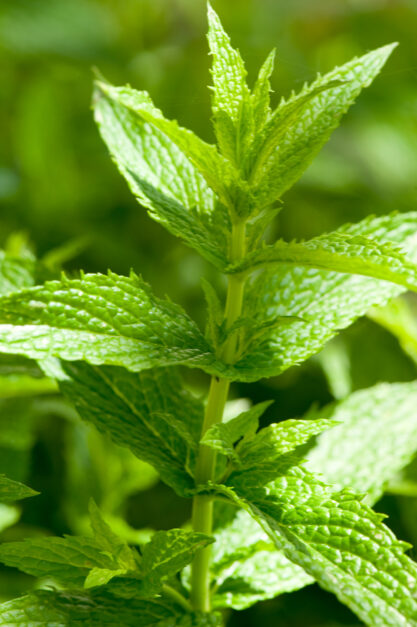
A diverse array of medicinal plants exists, each with unique properties and applications. Aloe vera is renowned for its soothing effects on the skin; its gel is commonly used to treat burns and cuts. Research conducted in the Journal of Ethnopharmacology supports its effectiveness in wound healing due to its anti-inflammatory and antimicrobial properties. Another popular plant, peppermint, is frequently used to alleviate digestive issues, with studies indicating its efficacy in reducing symptoms of irritable bowel syndrome (IBS). The International Journal of Colorectal Disease published findings that peppermint oil significantly improved IBS symptoms compared to a placebo. Additionally, chamomile, often consumed as tea, is well-known for its calming effects, with research in the Journal of Clinical Psychopharmacology demonstrating its potential in reducing anxiety. These examples reflect the versatility of medicinal plants in everyday health practices, making them valuable additions to our wellness routines.
Integrating Medicinal Plants into Daily Life
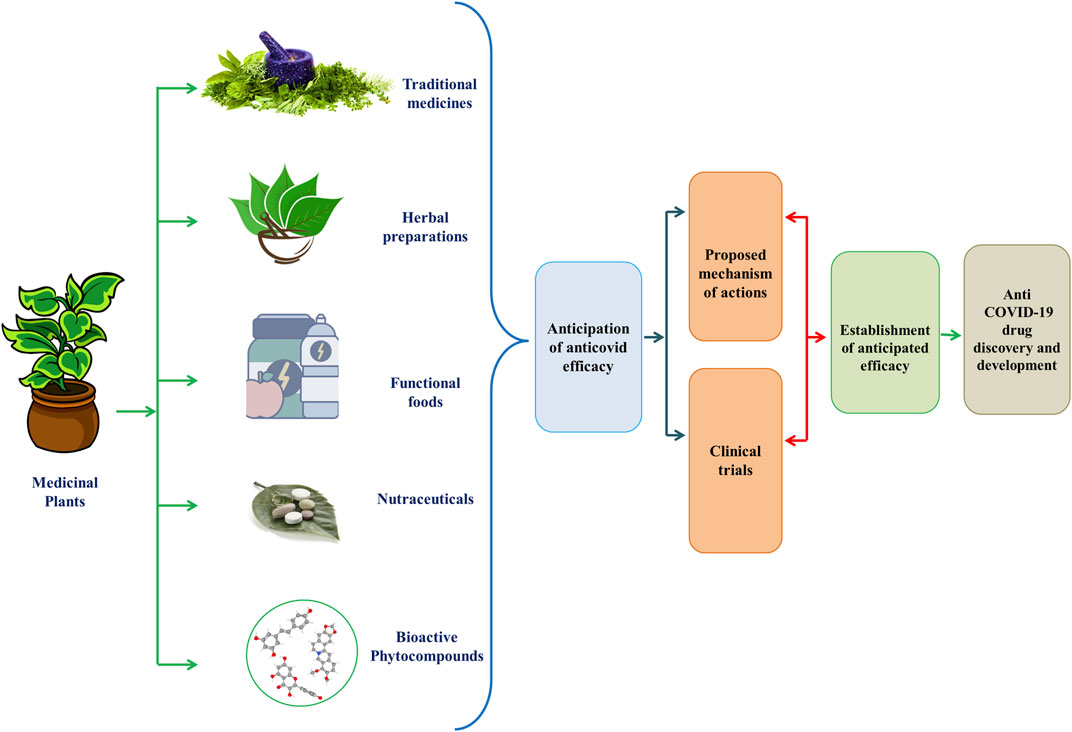
Incorporating medicinal plants into your daily life can be straightforward and rewarding. One effective approach is through herbal teas, which can be brewed from various medicinal herbs. For example, chamomile tea can be enjoyed before bedtime to promote relaxation, while ginger tea can be sipped to ease digestive discomfort. Additionally, cooking with herbs like basil, oregano, and thyme not only enhances flavor but also adds health benefits due to their antioxidant properties. Essential oils derived from medicinal plants can be used in aromatherapy to reduce stress and enhance mood; for instance, lavender essential oil is often employed for its relaxing effects. Furthermore, many individuals are turning to supplements made from concentrated herbal extracts, ensuring they receive the optimal benefits of these plants. As awareness grows, more people are seeking out natural remedies, with the global herbal medicine market expected to reach $500 billion by 2028, according to a report by Grand View Research. This trend signifies a shift towards more holistic health practices, emphasizing the importance of medicinal plants.
The Future of Medicinal Plants in Healthcare
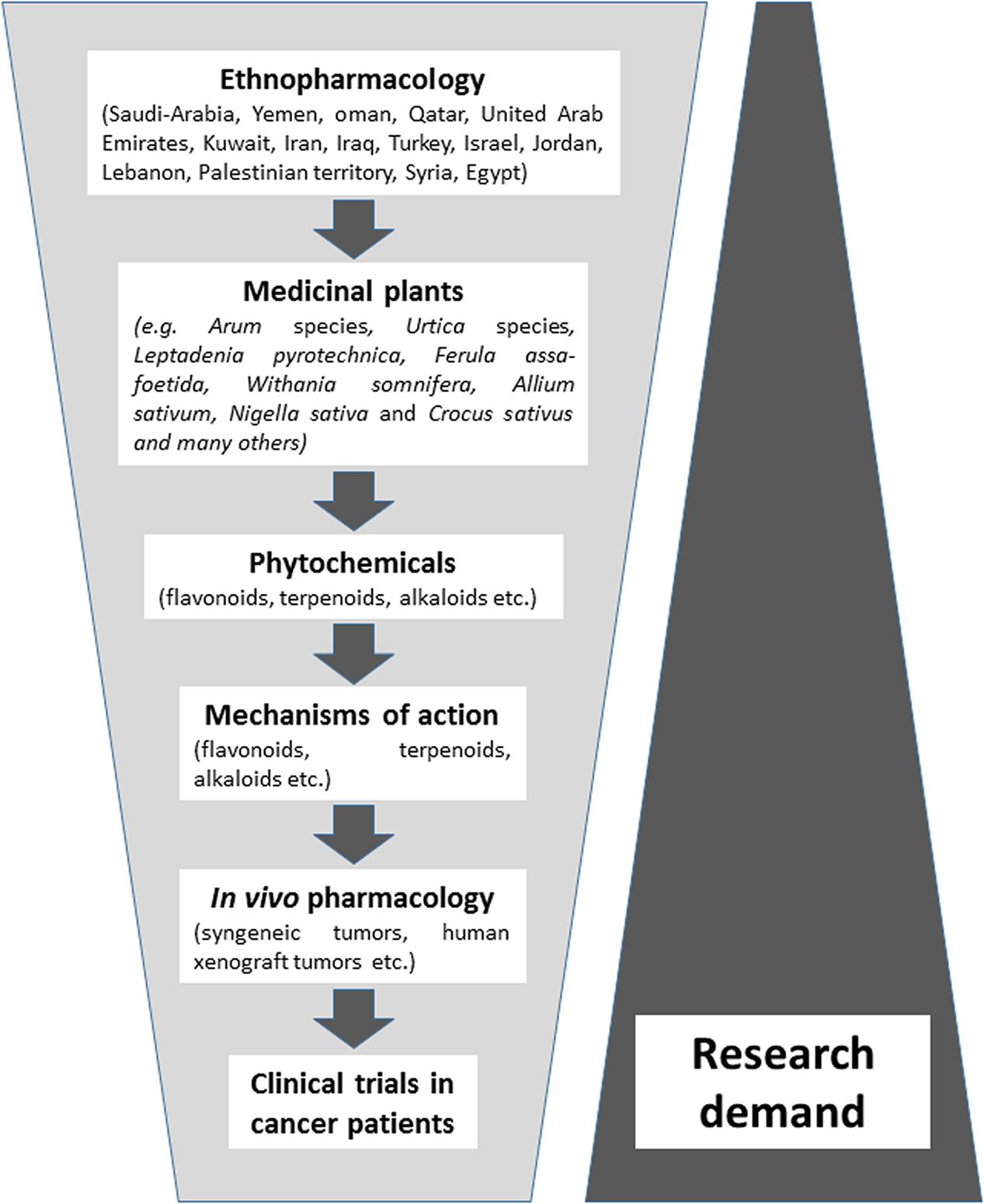
The future of medicinal plants in healthcare looks promising, with ongoing research and increasing acceptance within the medical community. Advances in technology, such as genomic studies and phytochemical analyses, are paving the way for a deeper understanding of how these plants work at a molecular level. For instance, ongoing studies are investigating the potential of cannabis-derived compounds in pain management and neurological disorders. As legislation around cannabis evolves, its potential medicinal uses could revolutionize treatment options for various conditions. Furthermore, the integration of traditional herbal medicine with modern pharmacology is gaining traction, with some healthcare providers advocating for a combined approach to treatment. According to a survey by the World Health Organization, approximately 80% of people in developing countries rely on traditional medicine, predominantly herbal, indicating a significant demand for these resources. As healthcare continues to evolve, the role of medicinal plants will likely expand, providing new avenues for promoting health and wellness.
In conclusion, medicinal plants hold immense potential for enhancing health and well-being, as evidenced by their historical significance, diverse health benefits, and practical applications. The growing interest in natural remedies reflects a shift toward holistic health practices, encouraging individuals to explore these natural treasures. As research continues to unveil the myriad benefits of medicinal plants, it becomes increasingly clear that they are not just relics of the past but essential components of our modern healthcare landscape. By integrating medicinal plants into our daily lives, we can harness their healing properties and promote a healthier, more balanced lifestyle. Now is the time to delve into the world of medicinal plants—consider incorporating these natural remedies into your daily routine and experience the transformative effects they can offer.